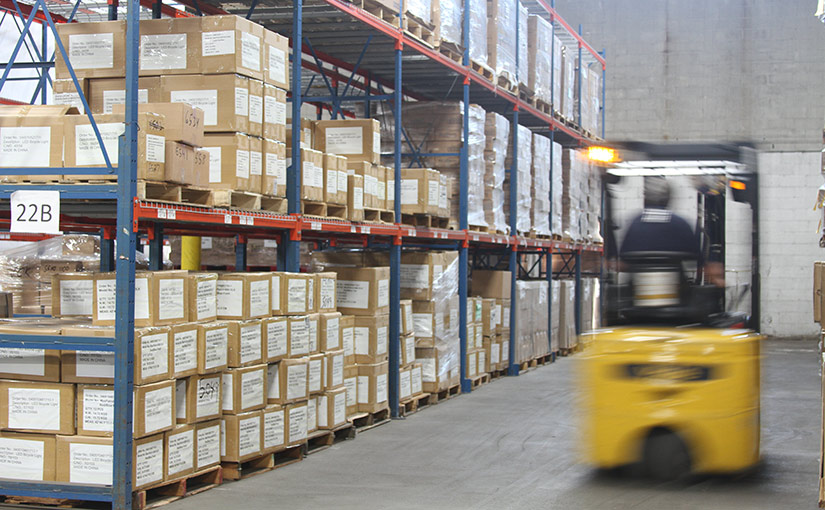
Growth is not always measured by higher-order volumes or a larger product catalog; it can also take the form of operational transformation. When one Canada-based powersports parts company implemented a new ERP system, the goal was to gain greater visibility into inventory and create more detailed tracking across its supply chain. While the company’s products and overall inventory levels remained relatively consistent, the new system required inventory to be managed differently within the warehouse. To support the transition, Fulco Fulfillment Inc. (FFI) partnered with the client to redesign warehouse processes, optimize inventory placement, and create a fulfillment operation capable of enhanced inventory visibility and control.
The Challenge: Adapting Warehouse Operations to Meet New ERP Requirements
Prior to the ERP implementation, products were often managed under a single inventory identifier, regardless of fulfillment method. The new system introduced more granular inventory controls, allowing the customer to segment inventory by channel, fulfillment requirements, and shipping methods. Although the number of products did not increase, the warehouse operation needed to evolve to support the new structure and reporting standards. The challenge was clear: enable greater inventory visibility and operational precision without sacrificing fulfillment speed or efficiency.
Building a Scalable, Data-Driven Warehouse Operation
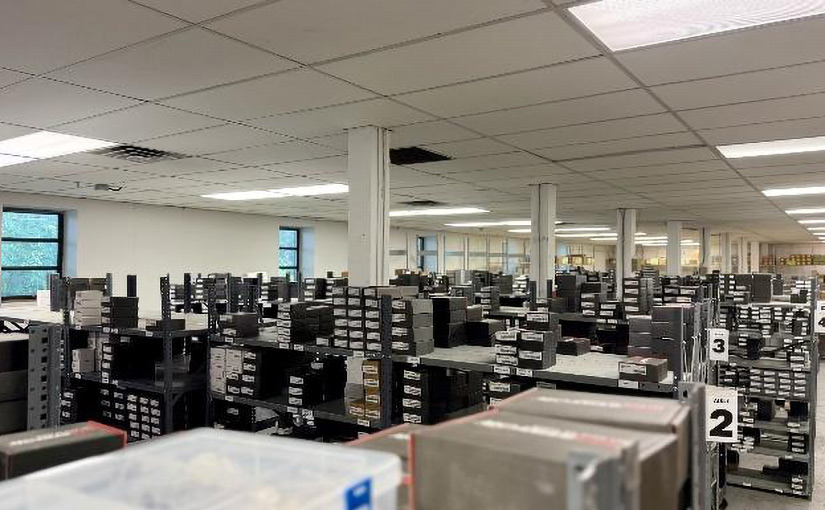
To prepare for the ERP transition, FFI evaluated inventory data, warehouse workflows, and long-term growth requirements to create a more scalable fulfillment environment. Additional shelving was installed in a dedicated warehouse zone, allowing inventory to be organized more effectively to align with ERP-driven inventory segmentation. Rather than simply creating more storage space, FFI optimized the layout based on real product movement, velocity, and usage patterns. Using historical inventory data and usage analytics, FFI identified high-velocity SKUs and positioned them accordingly. High-velocity items were placed near packing and shipping stations to reduce travel time and improve picking efficiency. Lower-velocity inventory was stored farther from the packing area, maximizing warehouse space while maintaining on-demand accessibility. The customer also benefits from a dedicated area within the warehouse tailored specifically to its inventory and fulfillment requirements. This dedicated space enables inventory management through workflows tailored to the customer’s business, creating a more organized and efficient operation that adapts as requirements evolve. The result is a warehouse layout that supports greater visibility, improved picking efficiency, and a stronger operational foundation for future growth.
Seamless ERP Implementation Through Collaboration
FFI partnered closely with the client throughout implementation and go-live to ensure a smooth transition. Following the launch, FFI helped troubleshoot system issues, address operational challenges, and make adjustments to maintain uninterrupted fulfillment operations. Through continuous communication and rapid feedback loops, both teams resolved issues quickly, minimized disruptions, and kept fulfillment operations running smoothly during the transition. In addition to supporting the ERP rollout, FFI implemented a streamlined process for integrating incoming order data. The improved workflow reduced manual entry, improved data accuracy, accelerated order transmission, and strengthened the connection between the customer’s ERP system and fulfillment operation. By combining operational expertise with a collaborative approach, FFI helped deliver a seamless ERP transition and establish scalable processes that support inventory visibility, order accuracy, and long-term fulfillment efficiency.
Supporting Complex B2B and DTC Fulfillment
In addition to direct-to-consumer (DTC) orders, FFI handles large distributor orders that require high levels of coordination, accuracy, and verification. These B2B shipments often consist of palletized orders containing hundreds of SKUs that must be picked, consolidated, verified, and shipped. The warehouse improvements implemented during the ERP transition helped create a more efficient process for managing these large orders while maintaining inventory accuracy and simultaneously fulfilling DTC orders. By combining organized storage, strategic product placement, and structured workflows, FFI can support both day-to-day fulfillment operations and complex distributor shipments from a single dedicated warehouse.
A Scalable Fulfillment Operation Built for Growth
Through strategic warehouse reorganization, data-driven inventory placement, dedicated storage space, enhanced order-processing workflows, and collaborative ERP implementation, FFI successfully scaled its fulfillment operations to meet evolving business demands. The result is a fulfillment operation that delivers greater inventory visibility, improved efficiency, and the flexibility needed to support continued growth in the competitive powersports parts market.